About project
- Client
- A private developer with a long-term vision to create a landmark mixed-use destination in Iraq, bringing together a strong investment case and a meaningful contribution to the city.
- Tension
- Iraq’s resurgence was creating opportunities for investors. Market uncertainty was high, regulations were opaque, and there was no real precedent for private-led mixed-use development. The challenge was finding a way to turn the opportunity into a project that could actually move forward.
- Project Type
- Mixed-use development
- Span
- 3 years
- Role
- Strategic Real Estate Advisor
Challenge
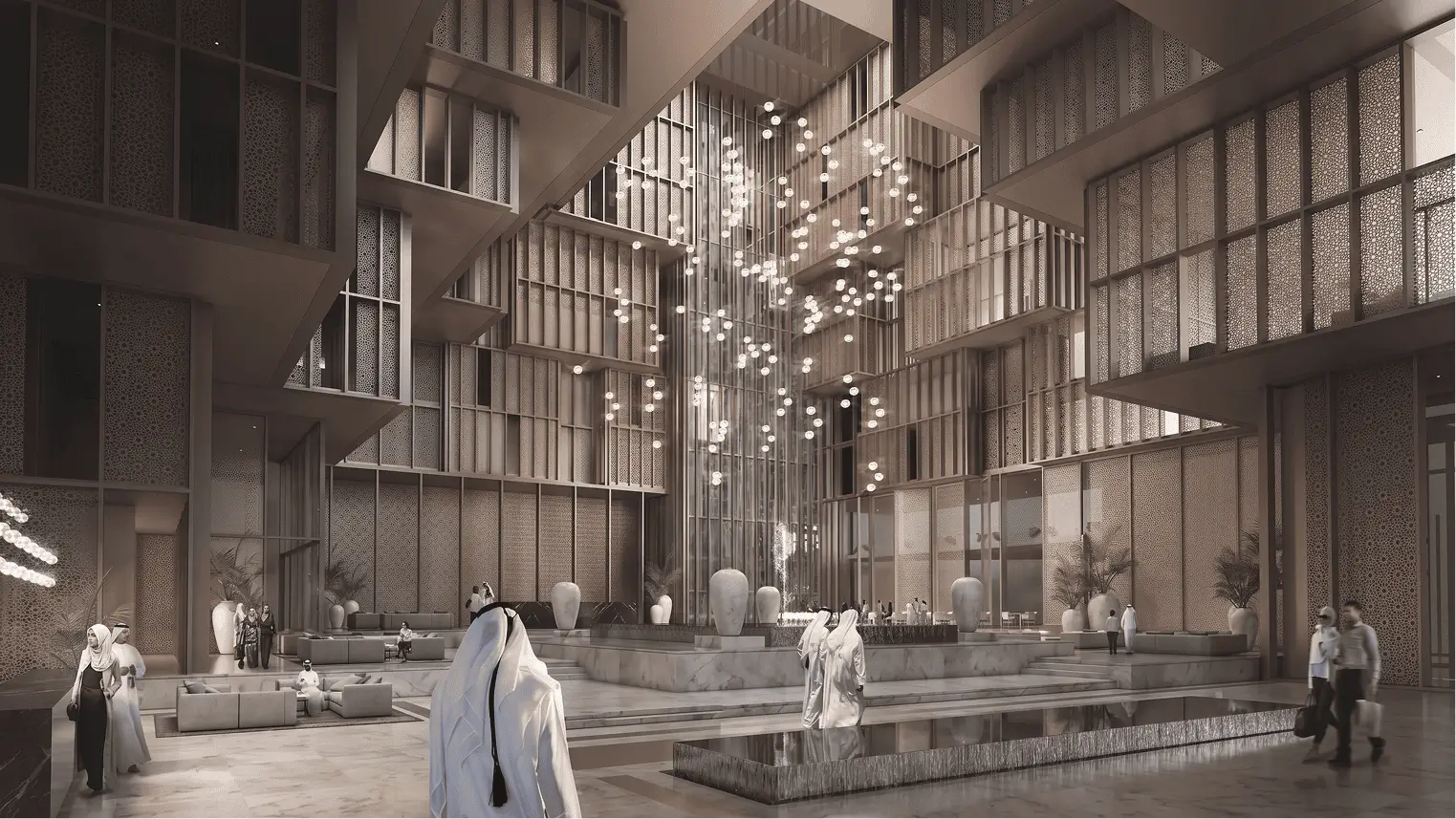
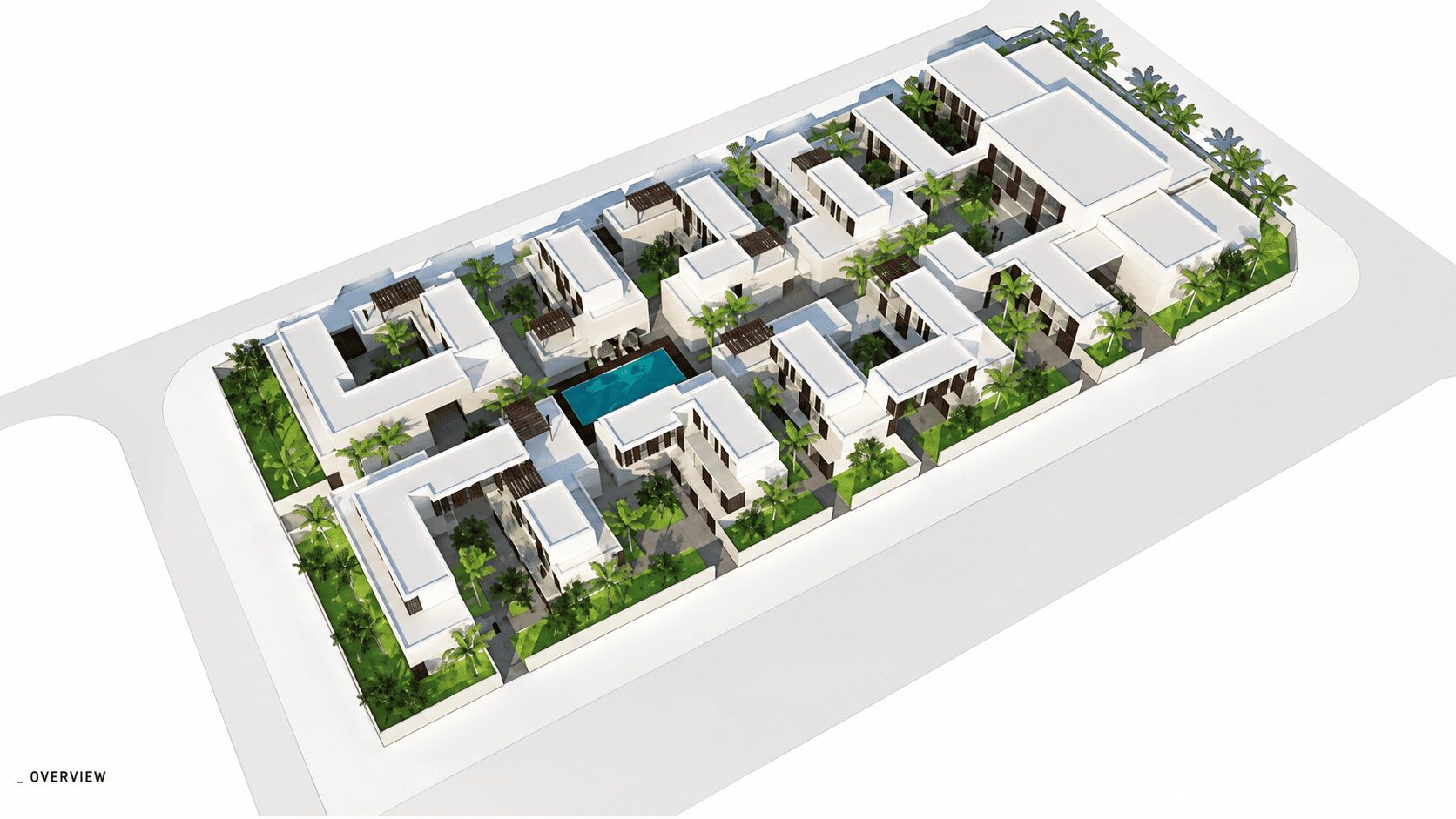
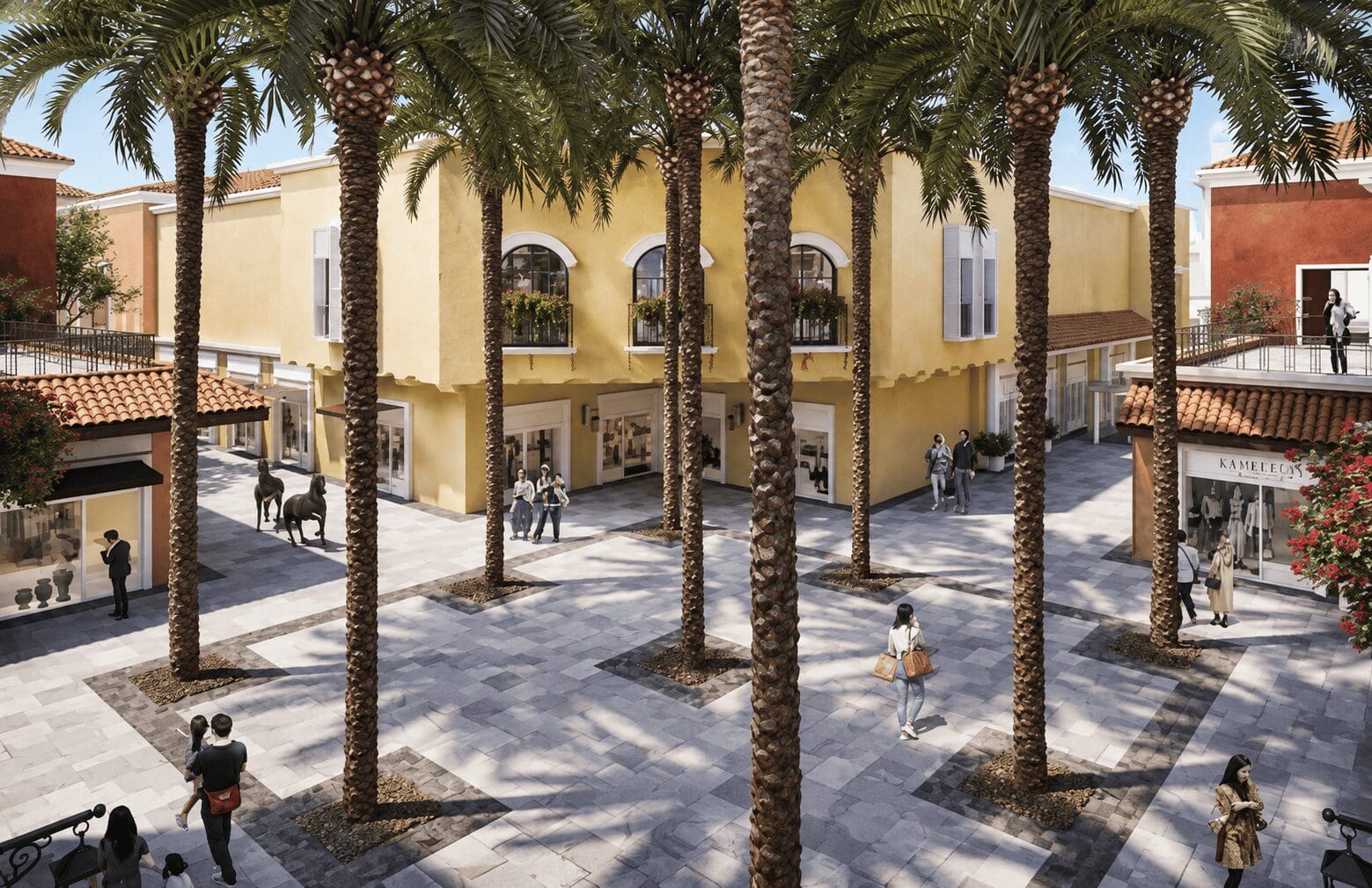
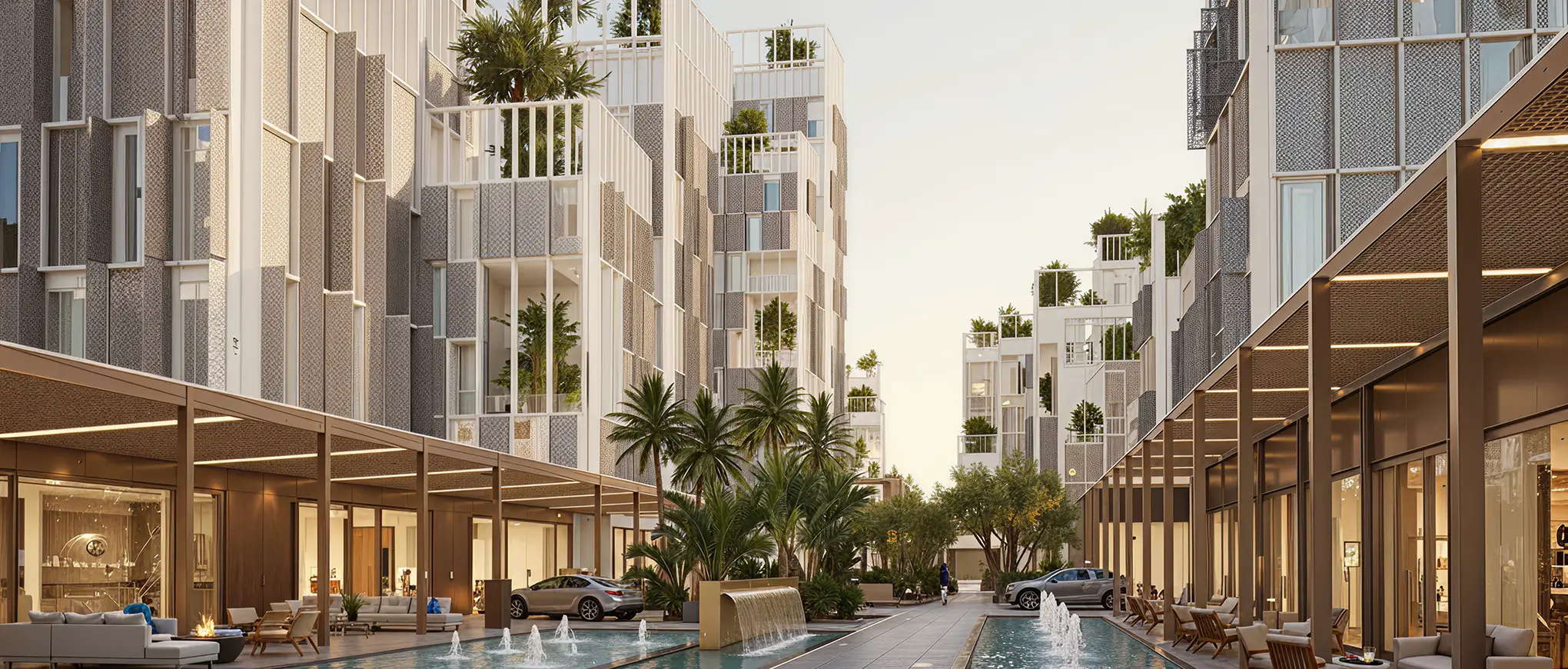
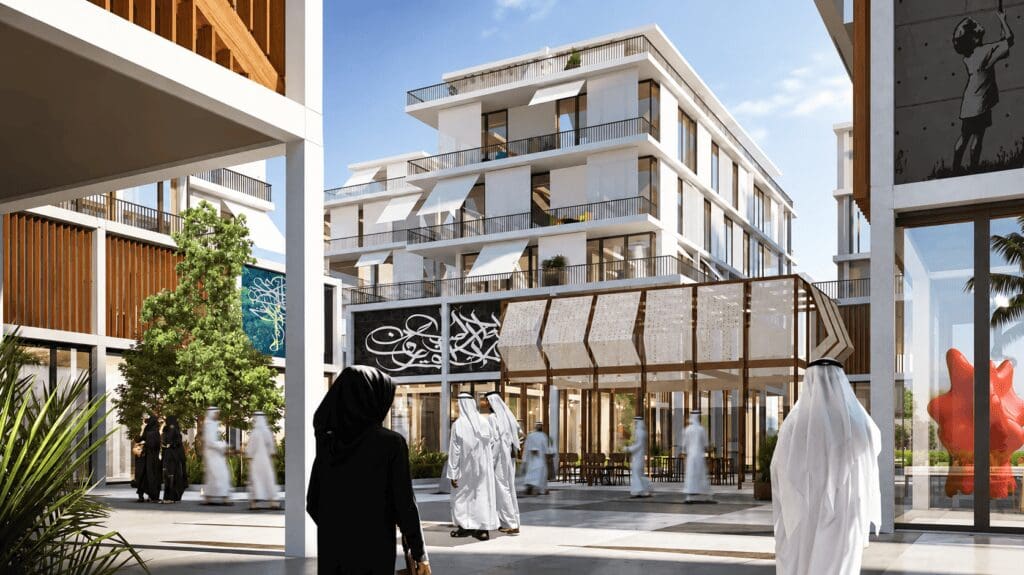
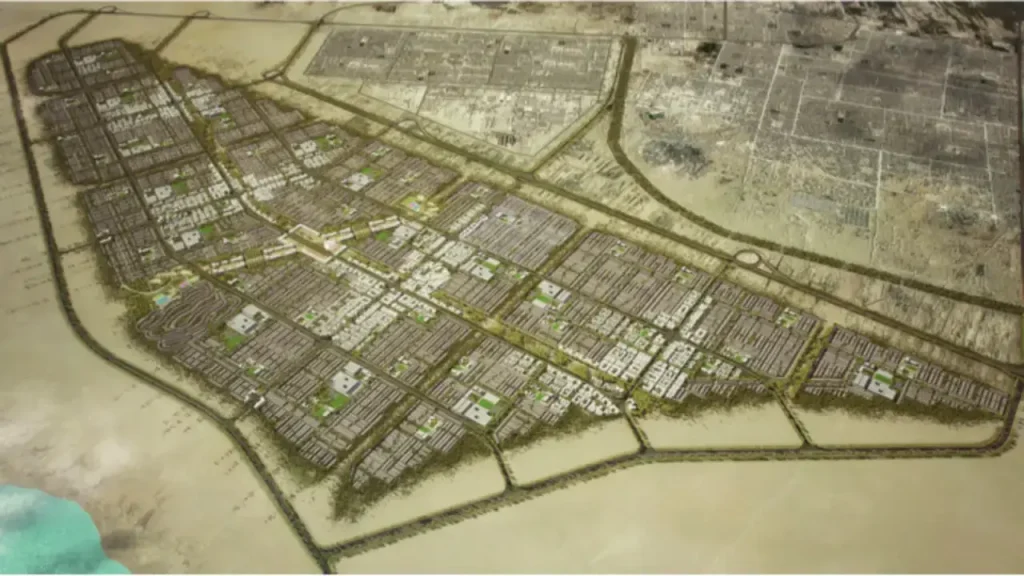
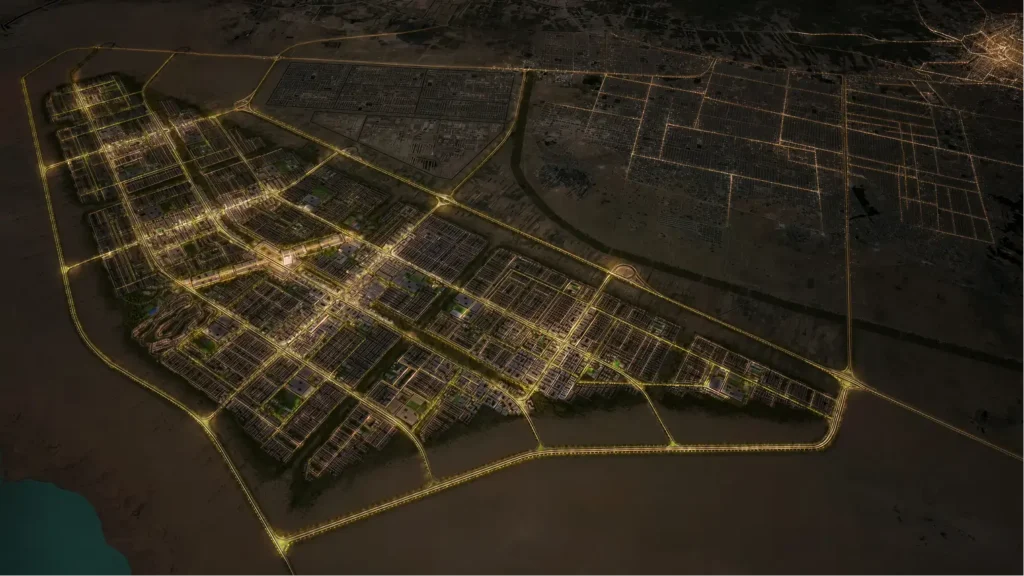
Most saw risk. The developer saw a blank canvas. The vision was to create a landmark destination that could anchor urban growth for decades, bringing together retail, schools, public spaces, and the infrastructure around them.
But a strong vision wasn’t enough. In Iraq, trust is currency. A project could have the right numbers and still go nowhere if the right people weren’t aligned, approvals became stuck, or the community didn’t see its value.
I had to answer a harder question first: how do you build something that hasn’t been built before, in a system that hasn’t had a reason to make it easy?
Solution
I wanted to understand where the risk actually came from before deciding how to deal with it. Therefore, I followed a strategic structure.
1. Testing Demand
Generic market studies weren’t going to be enough. I needed to know what people would actually use, pay for, and need.
I mapped demand across residential, retail, schools, and public space. This gave the project a clear demand case grounded in specific needs rather than broad market assumptions.
It also gave me the basis to take the project to Iraq’s National Investment Commission and show how it could answer wider national priorities.
2. Clarifying the Project
The regulatory environment had no established playbook for a project like this.
I worked directly with national stakeholders, breaking the project down into components that regulators and communities could understand, assess, and support.
The same approach applied to the community. Schools and parks weren’t added to make the project look responsible. They were part of making the development work for the city around it.
Gradually, roadblocks became approvals.
3. Adapting to the Market
I knew the financial model had to account for the uncertainty around us.
My approach gave the client a clear way forward, with buffers and decision points built into the execution strategy and enough flexibility to adapt as conditions changed.
This allowed the project to stay responsive to the market while creating a path to 35%+ IRR.
The Results
-
1 st
Integrated Development
-
35 %
Projected IRR
-
23 %
Cost savings
The strategy turned high risk into a successful mixed-use development, securing approvals, improving financial performance, and creating long-term value for the city and its investors.
- Market leadership: Created a landmark project and a precedent for private investment in Iraq.
- Strategic execution: Secured every approval required to move the project forward.
- Urban impact: Expanded the city’s footprint through retail, schools, and public spaces a hurdle.
- Long-term value: Created lasting commercial and community value for both investors and residents.